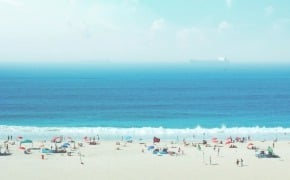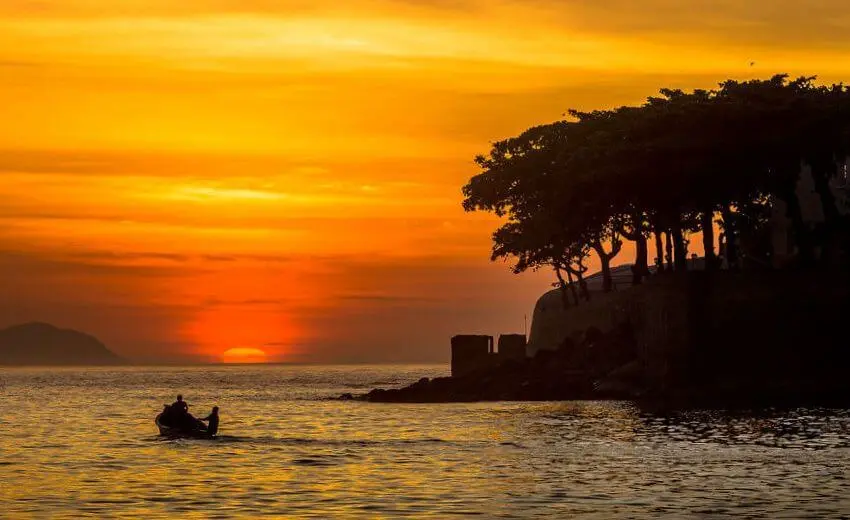
In Rio de Janeiro, the sun shines around 250 days in the year. In the summer the thermometers can show 40° Celsius or more, but at other times of the year the climate is more amenable. Any time of year is ideal for a dip in the sea, walks along the beach-front or in the forest, or the practice of any of the dozens of sports that the city has to offer. If your preference is golf, there are three international quality courses.



Squash and tennis courts abound, especially if you have access to a club. The more audacious can fly hang gliders, para-gliders, ultra-lights, go deep water diving or game fishing.

Nearer to land, windsurf is popular off the Barra beaches. Volley ball courts are set up all along the beach - one of the reasons Brazil has gold medals in this sport. You may need a friend in the right place to get into a game. Surfing is done in Copacabana, Arpoador (Ipanema), parts of Barra, Recreio, Prainha and Grumari, where international competitions are held.

Difficult to find, but even softball, cricket, rugby and baseball are played. Those liking the equestrian sports will find plenty of action at the Sociedade Hípica Brasileira. Talking of horses, the race track at the Jockey Club do Rio de Janeiro is busy from Friday to Monday. At weekends there are races in the afternoon and evening.The sidewalks and cycle track along the beach and around the lagoon are suitable for walking, jogging or biking at any time of the day.


There are some interesting nature walks such as the Leme Fort trail or the Cláudio Coutinho track in Urca, where the vegetation meets the sea, and where the military keep an eye on things. There are professional clubs that can advise on places where you can practice your rappel, or do more serious rock and mountain climbing. Undoubtedly Rio’s greatest sporting image is linked to soccer, or football as it is called here. The largest stadium in the world, Maracanã, where many memorable championships have been decided, including the 1950 World Cup, is presently undergoing refurbishment.


The stadium is open to visitors on days when there is no game, and the museum has a collection of interesting items, including Garrincha’s boots and the ball and net from Pelé’s thousandth goal. They are the crown jewels of the King of Soccer. The biggest Brazilian clubs - Flamengo, Vasco, Fluminense and Botafogo have their headquarters here.
But nothing compares with the opportunity to watch a match between two of the top teams. Apart from the possibility of seeing some of the world’s soccer superstars, the fans supply their own spectacular show, and the explosion of passion and joy is something you will never forget.


>